AAIC 2026: REAL AD at the Alzheimer's Association International Conference
July 24, 2026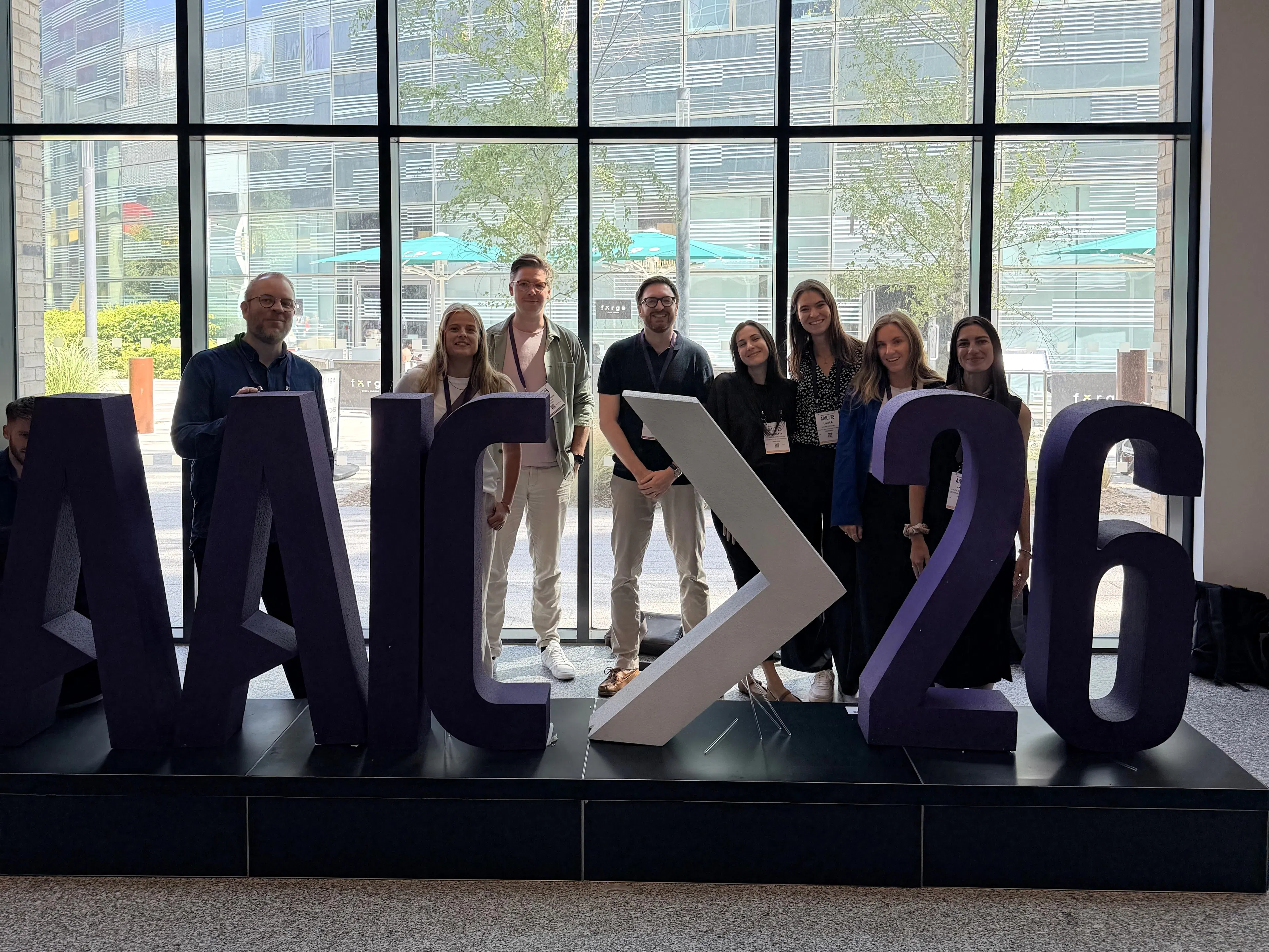
Every year, professionals from around the world gather at the Alzheimer's Association International Conference (AAIC) to share the latest advances in Alzheimer's research. This year the conference took place in London, UK, from 12-15 July, and we were proud to have several members of our REAL AD team, led by Professor Michael Schöll, present their work.
Highlights from the conference
A few themes that came up throughout the conference are especially relevant to REAL AD:
- Blood tests continue to be a major focus, with several sessions looking at how markers like p-tau217, a protein in the blood linked to the changes seen in Alzheimer's disease, can help predict future changes in memory and thinking, sometimes years before symptoms appear. This is at the core of what we are also investigating in REAL AD.
- Researchers discussed how to responsibly share biomarker results with study participants, including the ethical questions around what people should be told about their own results and when. This is something we think carefully about in REAL AD as well.
- There was continued emphasis on including more diverse and underrepresented groups in dementia research, so that findings apply to as many people as possible, not just those who have traditionally taken part in studies.
- Several talks focused on modifiable, lifestyle-related risk factors and how addressing these, such as physical activity, hearing, or blood pressure, may help lower dementia risk, echoing the work Laura presented in her poster below.
Our contributions this year
This year, our team presented one talk and five posters, covering different aspects of our research. Here is a simple overview of what each one was about.
Stamatia Karagianni (PhD Student) presented a talk looking at how well a blood test, measuring two proteins linked to Alzheimer's (called p-tau217 and Aβ42), performs at identifying Alzheimer's-related changes in the brain. While Plasma p-tau217/Aβ42 ratio was seen to be a promising measure for advanced Alzheimer’s disease pathology; it is limited in its ability to distinguish early disease stages, indicating that it is not yet fully interchangeable with established imaging or neuropathologic reference standards.
Laura Stankeviciute (Postdoctoral Researcher) presented a poster on prevalence of certain modifiable risk factors and how they relate to plasma biomarkers and digital cognition, in the REAL AD study cohort. Modifiable risk factors are things that may influence the risk of developing dementia and can potentially be changed or improved, such as physical activity or blood pressure, and understanding how common they are in our study group helps us think about future prevention efforts.
Frida Lenér (PhD Student) presented a poster examining whether and how medications that people take in their lifetime, related to early Alzheimer's blood markers. This kind of work helps researchers understand what other factors, besides age, might influence blood test results.
Fredrik Öhman (Postdoctoral Researcher) presented a poster exploring the combined use of remote digital cognitive testing and blood testing (as part of the REAL AD study design), to help identify those who might be at higher risk of developing Alzheimer's before the appearance of overt symptoms.
Emma Gummesson (Research Assistant, and soon-to-be PhD student) presented two posters. The first was a comparison of three Alzheimer's-related blood markers measured on two different laboratory testing systems. The second poster used a specialised brain scan to look at whether learning and practice can lead to visible changes in the connections between brain cells in people with early memory problems, offering insight into how the brain adapts.
We would like to mention that the team is working on a scientific manuscript and once published we are looking forward to sharing the results in more detail with you.
Why being there matters
Conferences like AAIC matter because progress in Alzheimer's research depends on scientists coming together to share their work, listen to others, and learn from findings happening around the world. Being there lets our team present what we have learned from REAL AD, hear what other researchers are discovering, and bring new ideas and insights back into our own study.
Thank you
We are proud of our team's contributions at AAIC 2026, and grateful for the chance to share REAL AD's work with the wider research community. None of this would be possible without you.
We are deeply thankful for your continued participation in our research. Together, we are part of something much bigger, shaping the future of Alzheimer's care and understanding.